
Photo pending
[Chairperson name]
Chairperson
[Introduction pending: why you wanted this society to exist, one sentence is enough.]
Pui Kiu Middle School society. We run exchange activities and fundraising stalls, and publish every amount we raise — all of it donated to UNICEF.
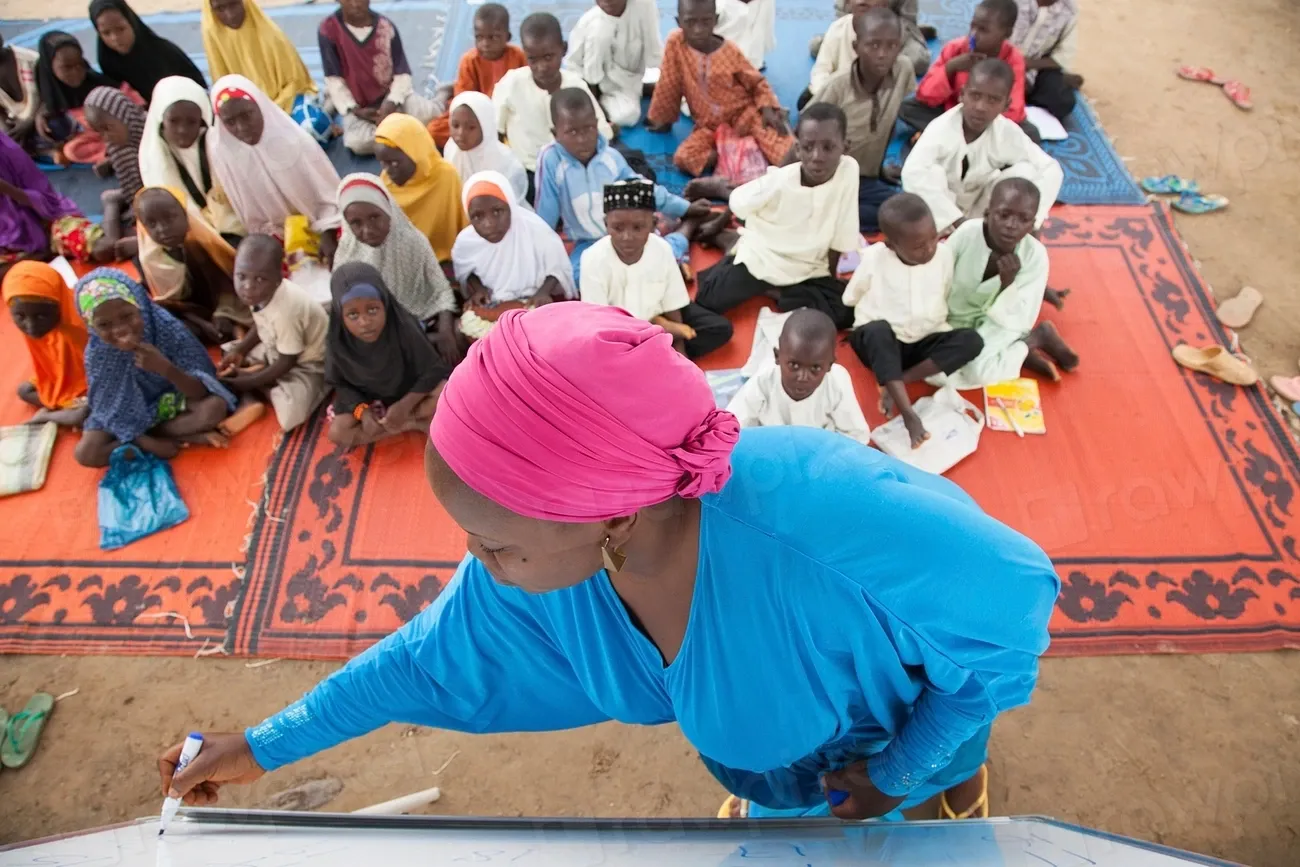
學會故事
We put cultural exchange and children’s rights in the same sentence: every exchange we run maps to an amount donated to UNICEF.
Exchange trips at school often stop at where you went and who you met. We wanted each one to leave something you can check afterwards — money raised at a stall, and a receipt for a child who can now go to school. So this society ties the two together: exchange outwards, published accounts inwards.
That everyone leaving this school remembers cultural exchange is not a travel report. It can be the difference between a child going to school or not.

Every name, role and introduction below is a placeholder awaiting the real ones.
Photo pending
[Chairperson name]
Chairperson
[Introduction pending: why you wanted this society to exist, one sentence is enough.]
Photo pending
[Vice-chair name]
Vice-chairperson
[Introduction pending: what you look after, and what kind of volunteers you want.]
Photo pending
[Treasurer name]
Treasurer (accounts)
[Introduction pending: keeps every entry and receipt.]
Photo pending
[Exchange officer name]
Exchange officer
[Introduction pending: liaises with partner schools and hosts visitors.]
活動紀錄
Each event records its date, what it was for, how much it raised, and which UNICEF programme it funded.
No events recorded yet
After the next event, a committee member adds one file under src/content/events and it appears here.
兒童議題
Four issues UNICEF has worked on for decades, in a few plain sentences. The list beside each one comes from the Convention itself.
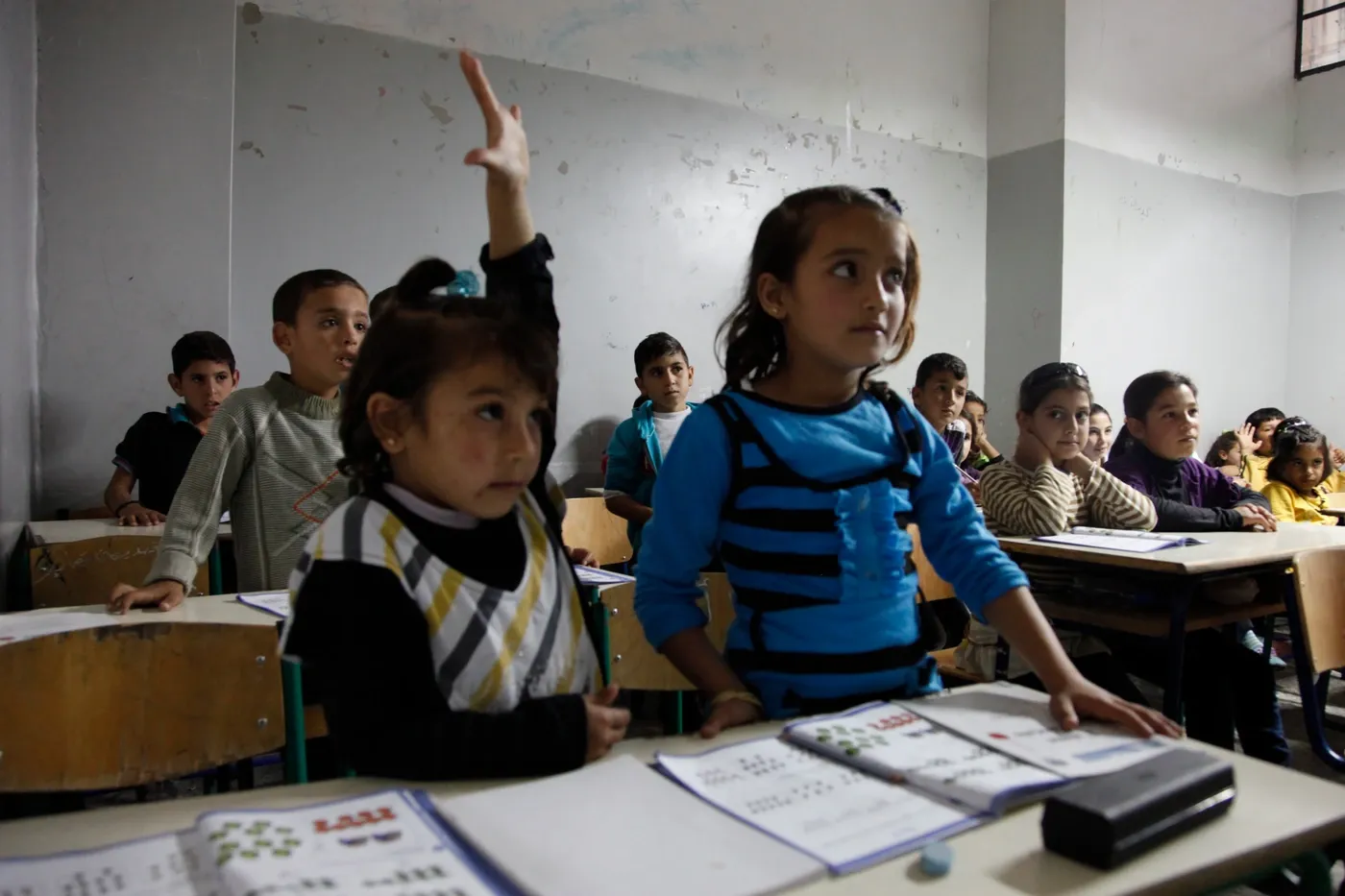
Article 28
Article 28 makes going to school a right, not a favour. Most of UNICEF's education work is unglamorous: classrooms, textbooks, training teachers, and getting girls through the school gate. For one child, that is the difference in where they are today.
Article 19
Article 19 protects children from all forms of violence, injury, abuse, neglect and exploitation, and obliges governments to build a system that actually responds: someone notices, someone reports, someone takes over, someone follows up. UNICEF's work is mostly that chain.
Article 22
What stops a refugee child is usually not a border but paperwork: no birth certificate, no school record, so no school and often no protection. Article 22 requires states to cooperate in tracing family, and to give the child the same protection when no family can be found.
Article 24
Malnutrition is not only “not enough food” — living on the same single food for months is malnutrition too. Article 24 puts food, clean water and basic health care in one article because they cannot be separated; UNICEF's work includes treating acute malnutrition, supplying supplements, and making sure water is clean.
捐款紀錄
Everything published: number, date, event, amount, which UNICEF programme it funded, and the receipt status.
No donations recorded yet
Once the first amount is banked, every entry appears here: number, date, event, amount, programme and receipt status.
Each entry is banked within a week of the event and matched to an official UNICEF receipt. The society deducts no administrative fee.
Every dollar raised goes to UNICEF. Event costs — materials, setup, printing — are paid by committee members or raised separately, never deducted from donations.
參與機會
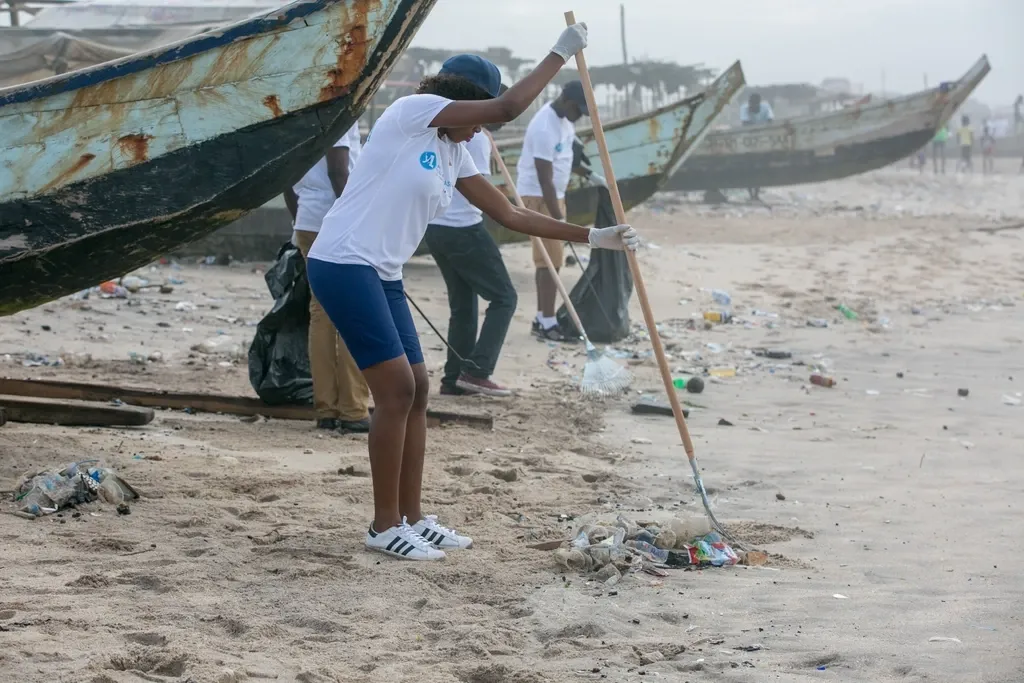
Three ways in. Membership costs HKD 20; volunteering and turning up are free.
Sign-up form URL pending
We are glad to co-host events, swap venues or fundraise together. Message us on Instagram.
成員分享
These are placeholders until the society collects real quotes.
[Member name]
Member · [Class]
I joined thinking it would just be an activity. I spent most of the term counting money, recounting it, and writing figures into a table. Donating turns out to be something you reconcile line by line, not a button you press.
[Volunteer name]
Stall volunteer · [Class]
I wrote the price board that day until my hand hurt. When we counted the box afterwards and wrote it into a receipt, it was the first time what I did had somewhere to go.
[Attendee name]
Culture fair attendee · [Class]
I came for the food. Then I had to stand there and explain one dish from where I’m from, and realised how much of it I couldn’t explain. That’s when I started asking other people things.
[Treasurer name]
Treasurer
The receipts are the annoying part. Every entry has to line up with an event, an amount and a programme. But that is exactly why we can put the whole ledger on the website and let people check it.