ICS for UNICEFPui Kiu Middle School

English中文

Key children’s issues

兒童議題

Four issues UNICEF has worked on for decades, in a few plain sentences. The list beside each one comes from the Convention itself.

Framework demo: the names, photographs, amounts and receipts on this page are marked placeholders, not real records.

Children’s education

Convention on the Rights of the Child · Article 28
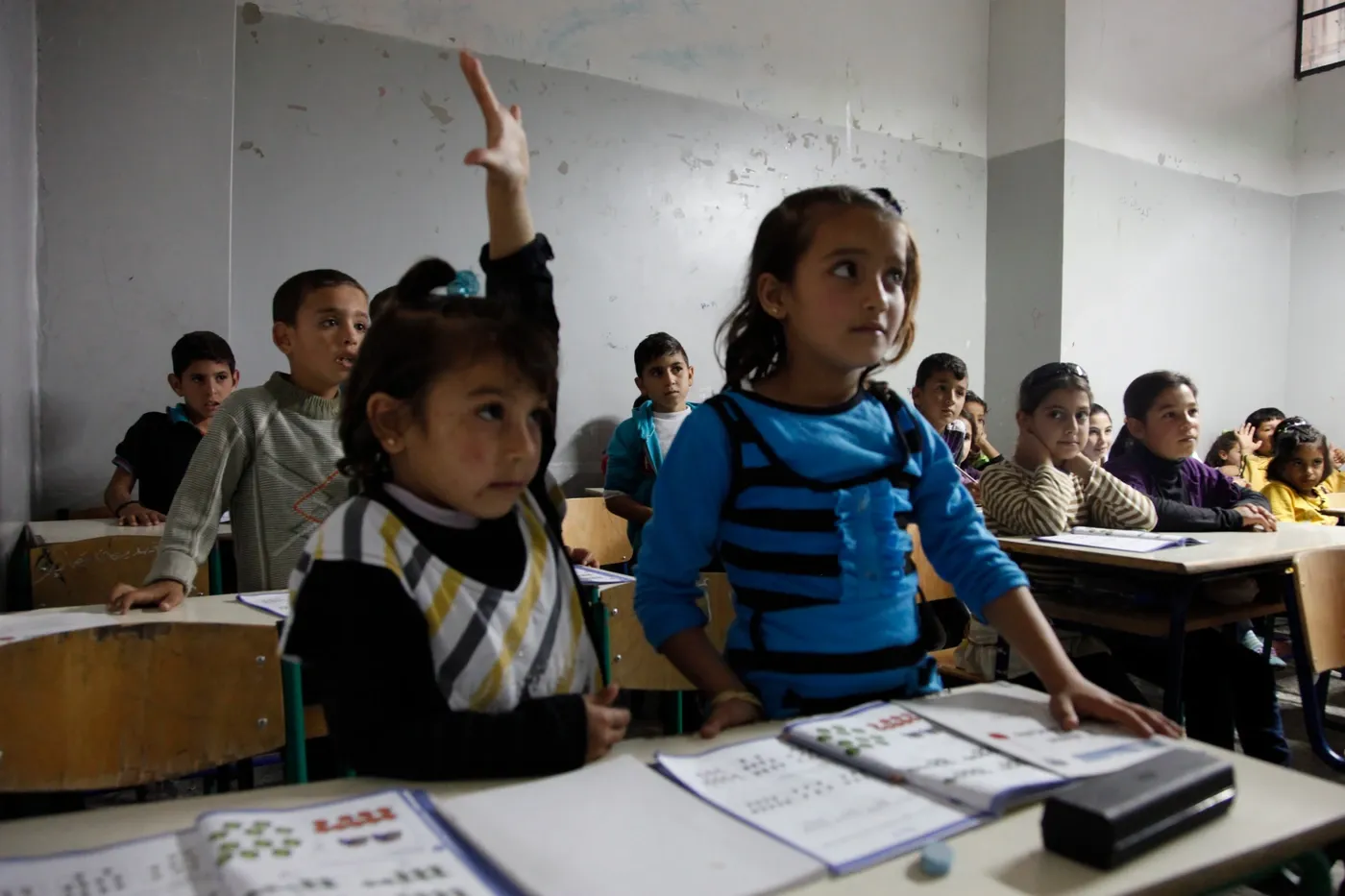
A girl raising her hand in a classroom with books on the desk (illustrative image)
Illustrative · not our eventDFID - UK Department for International Development · CC BY-SA 2.0 ·wikimedia

Article 28 makes going to school a right, not a favour. Which means a child out of school is not unlucky — someone has failed to do what they were meant to do.

Most of UNICEF’s education work is unglamorous: classrooms, textbooks, training teachers, and getting girls through the school gate. For one child, that is the difference in where they are today.

The five measures Article 28(1) asks governments to take

  1. Primary education: free, and compulsory.
  2. Secondary education: every form of it has to be reachable by every child, with financial help where needed.
  3. Higher education: open to all on the basis of capacity, not on the basis of fees.
  4. Educational and vocational information: available and accessible to every child.
  5. Encourage regular attendance and reduce drop-out rates.

Figure slot

A UNICEF figure goes here (e.g. out-of-school children), with its source and year.
Child protection

Convention on the Rights of the Child · Article 19

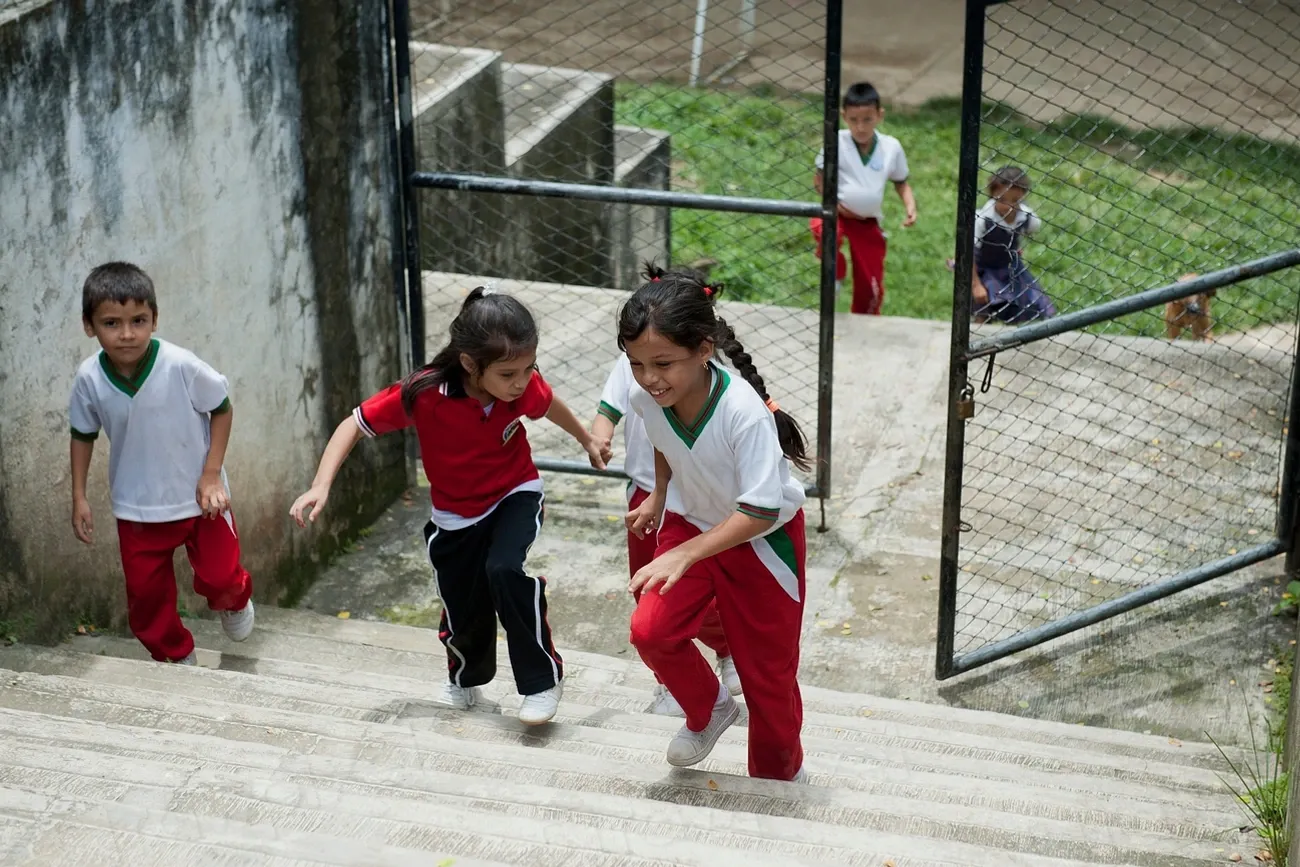
Children running on steps and open ground (illustrative image)
Illustrative · not our eventPeace Corps · CC0 1.0(公眾領域奉獻) ·rawpixel

Article 19 is often misread as “do not smack children”. It also obliges governments to build a system that actually responds: someone notices, someone reports, someone takes over, someone follows up.

UNICEF’s child protection work is mostly that chain — from spotting a case, to getting the child out of harm, to making sure someone stays with them afterwards.

The two paragraphs of Article 19

  1. Protection from all forms of physical or mental violence, injury, abuse, neglect, maltreatment and exploitation, including sexual abuse — covering children in the care of parents, guardians, or anyone else looking after them.
  2. Not just words: there have to be social programmes, and procedures to identify, report, refer, investigate, treat and follow up.

Figure slot

A UNICEF figure goes here (e.g. share of children who experienced violence), with its source and year.

Refugee children

Convention on the Rights of the Child · Article 22

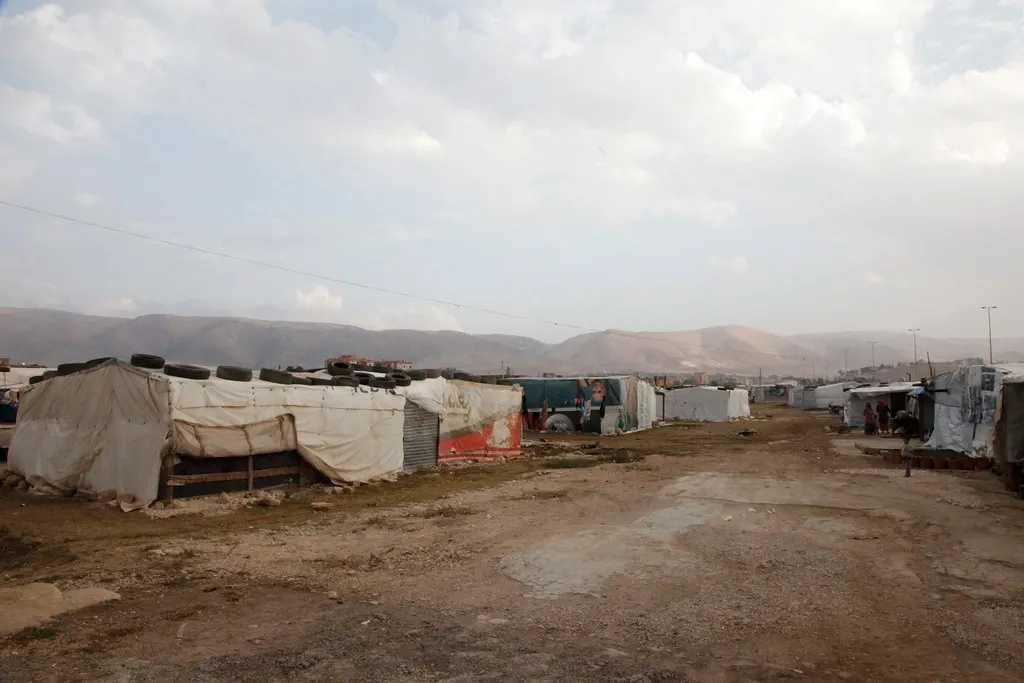
A tented settlement in Lebanon’s Beqaa Valley (illustrative image; no identifiable children shown)
Illustrative · not our eventDFID - UK Department for International Development · CC BY 2.0 ·flickr

What stops a refugee child is usually not a border, it is paperwork. No birth certificate, no school record — so no school, and often no protection either.

UNICEF’s work includes registration, family tracing, accompanying reunification, and getting schools open inside camps. For these children, one piece of paper with a name on it is a door.

The two paragraphs of Article 22

  1. A child seeking refugee status, or considered a refugee, must receive protection and humanitarian assistance — accompanied or alone.
  2. States must cooperate in tracing family and sharing what reunification needs; if no family can be found, the child gets the same protection as any child without their family.

Figure slot

A UNICEF figure goes here (e.g. number of displaced children), with its source and year.
Child nutrition

Convention on the Rights of the Child · Article 24

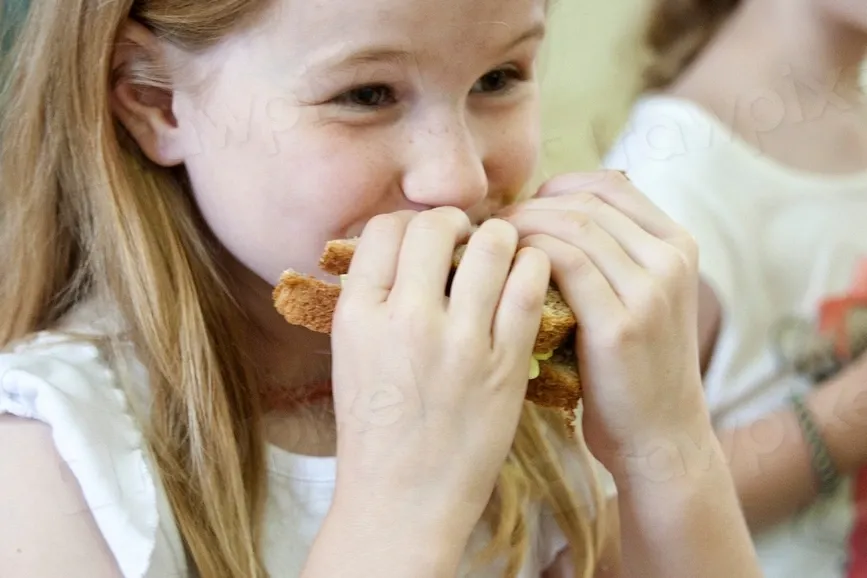
A student eating a sandwich at lunch (illustrative image)
Illustrative · not our eventCenters for Disease Control and Prevention · CC0 1.0(公眾領域奉獻) ·rawpixel

Malnutrition is not only “not enough food”. Living on the same single food for months is malnutrition too. Article 24 puts food, clean water and basic health care in one article because in practice you cannot separate them.

UNICEF’s nutrition work treats acute malnutrition, supplies vitamins and supplements, supports breastfeeding, and makes sure the water is clean.

The six measures Article 24(2) asks governments to take

  1. Diminish infant and child mortality.
  2. Provide necessary medical assistance and health care, with primary health care at the centre.
  3. Combat disease and malnutrition, with adequate nutritious food and clean drinking water.
  4. Ensure appropriate pre-natal and post-natal health care for mothers.
  5. Make basic knowledge of health, nutrition and hygiene available to parents and children.
  6. Develop preventive health care, guidance for parents, and family planning education.

Figure slot

A UNICEF figure goes here (e.g. number of malnourished children), with its source and year.

Back home